
Forensic-Grade Cybersecurity
Cyber resilience built on forensic insight.
Cyber Resilience helps organisations strengthen operational resilience through forensic-led cybersecurity, governance maturity, operational security, and risk intelligence.
We work with organisations where operational disruption, regulatory pressure, reputational damage, and cyber risk carry real consequences.
Our role is to help organisations move beyond reactive cybersecurity — toward environments that are measurable, defensible, and operationally resilient.

Who We Are
A cyber resilience partner built around operational reality.
Cyber Resilience was built to help organisations better understand, manage, and reduce operational cyber risk.
We combine forensic expertise, governance maturity, security operations, risk intelligence, and structured resilience methodologies to support organisations facing increasing pressure from regulators, insurers, auditors, and threat actors, as well as operational complexity.
Our work spans the full cyber resilience lifecycle:
Assessing operational and security exposure
Validating controls under pressure
Monitoring and responding to threats
Investigating incidents and preserving evidence
Supporting governance maturity and ISO 27001 programmes
Improving resilience through continuous operational alignment

We do not believe cybersecurity should exist as a disconnected technical function.
It should support business continuity, operational resilience, governance accountability, and confident decision-making.
How we work
Most cybersecurity firms started with technology. We started with investigations.
Our forensic roots shaped the way we understand cybersecurity.
Long before many organisations viewed cyber risk as a board-level concern, digital investigations were already exposing how operational gaps, weak governance, poor visibility, and delayed response could escalate into legal, financial, and reputational consequences.
That experience continues to influence how we work today.
We approach cybersecurity through the lens of:
This forensic-led perspective changes the way environments are assessed, controls are prioritised, incidents are investigated, and security maturity is measured.
It also changes the conversations we have with organisations.
Rather than leading with fear or generic tooling conversations, we focus on helping organisations understand:
What matters most operationally
Where material risk actually exists
What would happen during disruption
How resilience can improve over time
What we believe
Cybersecurity should support resilience. Not create complexity.
Security should support operational continuity
Cybersecurity should enable organisations to operate confidently while strengthening resilience, governance accountability, and operational stability.
Security decisions should be evidence-led
Controls, remediation priorities, governance structures, and resilience planning should align to measurable operational risk and defensible evidence.
Resilience requires continuous improvement
Cyber resilience is not achieved through isolated projects or once-off assessments. It requires ongoing visibility, monitoring, reassessment, and operational adaptation.
WHAT MAKES CYBER RESILIENCE DIFFERENT
Built for environments where operational failure has consequences.

Forensic-Led Perspective
Our forensic heritage shapes the way we investigate incidents, assess environments, preserve evidence, and support defensible decision-making.

Operationally Aligned Security
We focus on practical resilience outcomes — not security theatre or disconnected tooling.

Governance & Board Readiness
Our approach supports regulator engagement, audit readiness, executive reporting, and governance maturity.

Continuous Improvement Focus
We help organisations evolve security maturity over time rather than treating cybersecurity as a once-off exercise.

African Operating Context
We understand the operational, regulatory, and infrastructure realities organisations face across African markets.
Leadership
Leadership shaped by operational cybersecurity experience.

Jeanine Stols
Managing Director | Governance & ISO 27001 Specialist
Jeanine has more than 15 years of experience across cybersecurity governance, risk management, compliance, and security assurance within regulated and operationally complex environments.
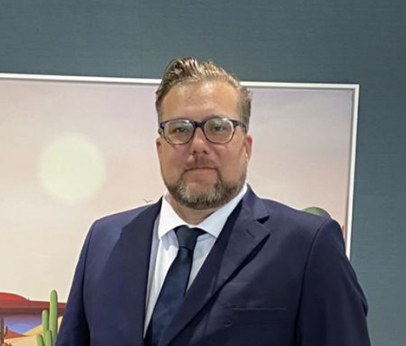
Seyton Hayes
Technical Director | Digital Forensics & Incident Response Specialist
Seyton has more than 25 years of experience across enterprise security, digital forensics, incident response, and operational resilience.

Warren Bonheim
Sales Director | Technology Strategy & Client Advisory
Warren has more than 20 years of experience across technology services, managed services, cybersecurity advisory, and business growth strategy within operationally demanding environments.

Qurash Ramlal
Customer Success Manager | Governance & Security Advisory
Qurash has experience across cybersecurity, telecommunications, customer success, and managed services environments, supporting organisations through governance alignment, operational resilience, and ongoing security maturity initiatives.
Certifications
Built on recognised cybersecurity standards and operational expertise.
Our methodologies, operational practices, governance alignment, and technical capabilities are informed by recognised cybersecurity frameworks, industry certifications, and operational resilience standards.
GOVERNANCE & SECURITY FRAMEWORKS
Security & Technical Certifications Our Team Holds
Security Vendors & Technology Partners
Awards & Recognition
Intelligent Secure Digital Transformation Partner — Intelligent ICT Awards 2025
Sophos Emerging Partner of the Year 2025
how we work
Security programmes that operate beyond implementation.
Cybersecurity maturity is not achieved through isolated projects or disconnected tooling.
Our methodology focuses on operational resilience — building security environments that evolve, improve, and remain aligned to changing risk.
We work through a structured lifecycle designed to improve visibility, operational security, governance maturity, and resilience over time.
01
Discover
We build an understanding of the organisation’s operational environment, critical systems, users, suppliers, governance structures, and current security posture.
The goal is not simply to identify technology. It is to understand operational reliance.
02
Diagnose
We identify material risks, operational gaps, governance weaknesses, and exposure areas across people, process, technology, identity, and supplier ecosystems.
Assessments are evidence-led and aligned to recognised frameworks and operational realities.
03
Design
We develop structured remediation and resilience strategies aligned to business priorities, governance requirements, operational continuity, and cyber maturity goals.
04
Deploy
Controls, governance processes, monitoring capabilities, reporting structures, and operational security improvements are implemented in a structured, measurable way.
05
Operate
Cyber resilience requires continuous visibility and operational discipline.
We support organisations through monitoring, governance, operational reporting, reassessment, and ongoing security operations.
06
Improve
Threats evolve. Businesses evolve. Operational requirements evolve.
We continuously reassess environments and refine security maturity over time to support long-term resilience.
Who we work with
Supporting organisations operating in high-pressure environments.
We work with organisations where operational resilience, governance accountability, uptime, regulatory pressure, and cyber risk management are business-critical.
Structured security. Defensible outcomes.
Cyber resilience programmes should be measurable, explainable, and capable of withstanding operational, regulatory, and governance scrutiny.
Our work supports operational resilience, governance maturity, audit readiness, and long-term security improvement.
Need clarity on your current resilience posture?
Whether you need governance guidance, operational security support, incident response capability, or a clearer understanding of your exposure, we will help you identify where risk exists and what the practical next steps are.